
You spend weeks crafting a trading edge. You’ve got charts, indicators, even a clean risk model. Then you deploy it live—and watch it bleed capital. Why? Because your “validated” approach skipped the brutal truth of market research backtesting strategy how doe. Most traders treat backtesting like a checkbox exercise. It’s not. It’s your market stress test.
Why Your Backtesting Fails Before You Even Place a Trade
Slippage isn’t just a footnote—it’s the silent killer. Data gaps, survivorship bias, overfitting to noise… these aren’t edge cases. They’re the norm in retail-grade backtesting. And if your platform doesn’t adjust for corporate actions or liquidity dry spells, your win rate is fiction.
Think about it: markets evolve. A strategy killing it in 2021 might collapse in 2023 volatility regimes. Yet most “research” stops at curve-fitting past returns. That’s hindsight gambling—not market research.
market research backtesting strategy how doe: A Practitioner’s Blueprint
Forget theoretical frameworks. Here’s how elite quant shops actually validate signals—without burning capital:
Step 1: Define Your Market Regime First
Don’t test across “all data.” Segment by volatility, volume, and macro drivers (e.g., Fed pivot vs. QT periods). A mean-reversion play that works in choppy markets dies in trending ones. Tag each bar.
Step 2: Inject Realistic Friction
Add variable slippage based on average daily volume. Include commission tiers. Assume fills at worst-case bid/ask during news events. If you can’t model execution decay, your Sharpe ratio is a fantasy.
Step 3: Walk-Forward Analysis > Single Backtest
Train on Window A. Validate on unseen Window B. Then roll forward. Repeat. This exposes curve-fitting faster than any static backtest. Brutal—but honest.
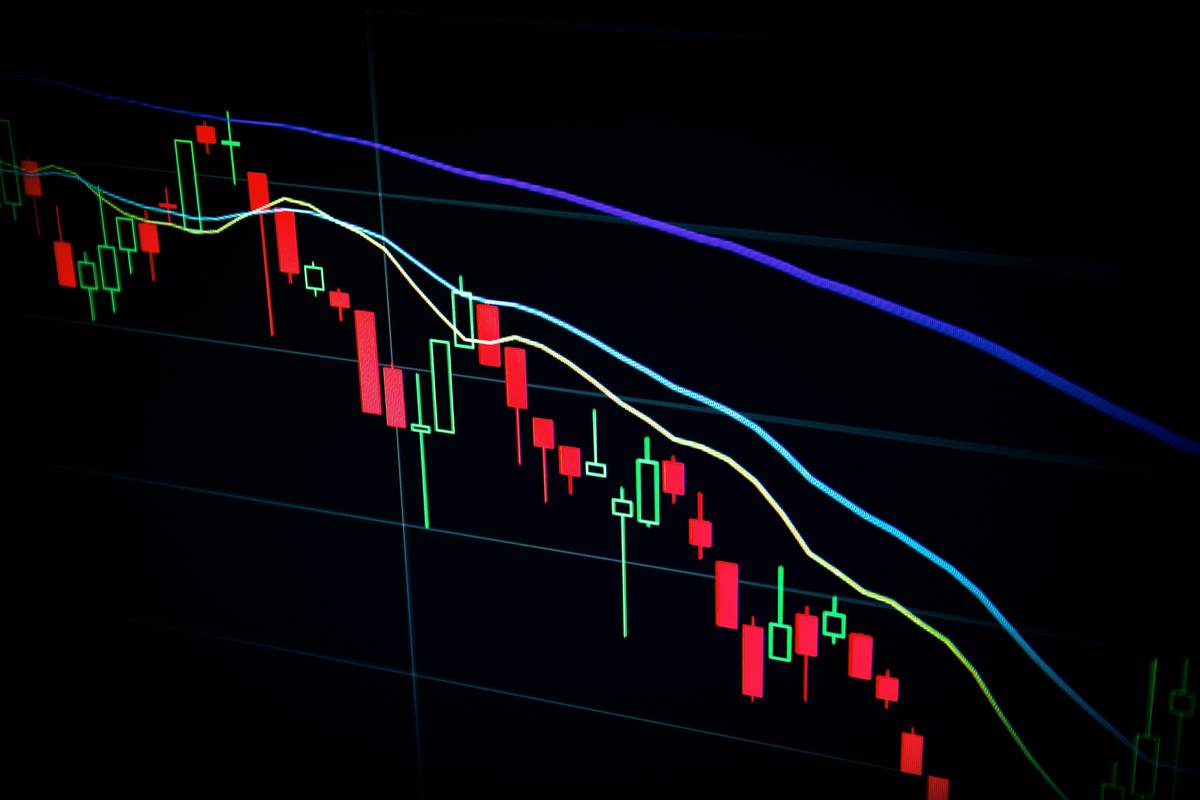
| Backtesting Method | Data Requirements | Computational Cost | Realism Score (1-10) |
|---|---|---|---|
| Static Historical Replay | Clean OHLCV + splits | Low | 4 |
| Monte Carlo Resampling | Full tick data + order book | High | 7 |
| Walk-Forward Optimization | Regime-labeled time series | Medium | 9 |
| Paper Trading + Live Shadow | Broker API + real-time feed | Variable | 10 |
Step 4: Stress Test Against Black Swans
Drop your strategy into March 2020, October 1987, or May 2010 flash crash data. Does it implode—or adapt? If max drawdown exceeds 25%, scrap it. No exceptions.
The Industry Secret: Backtesting Is About Failure Discovery
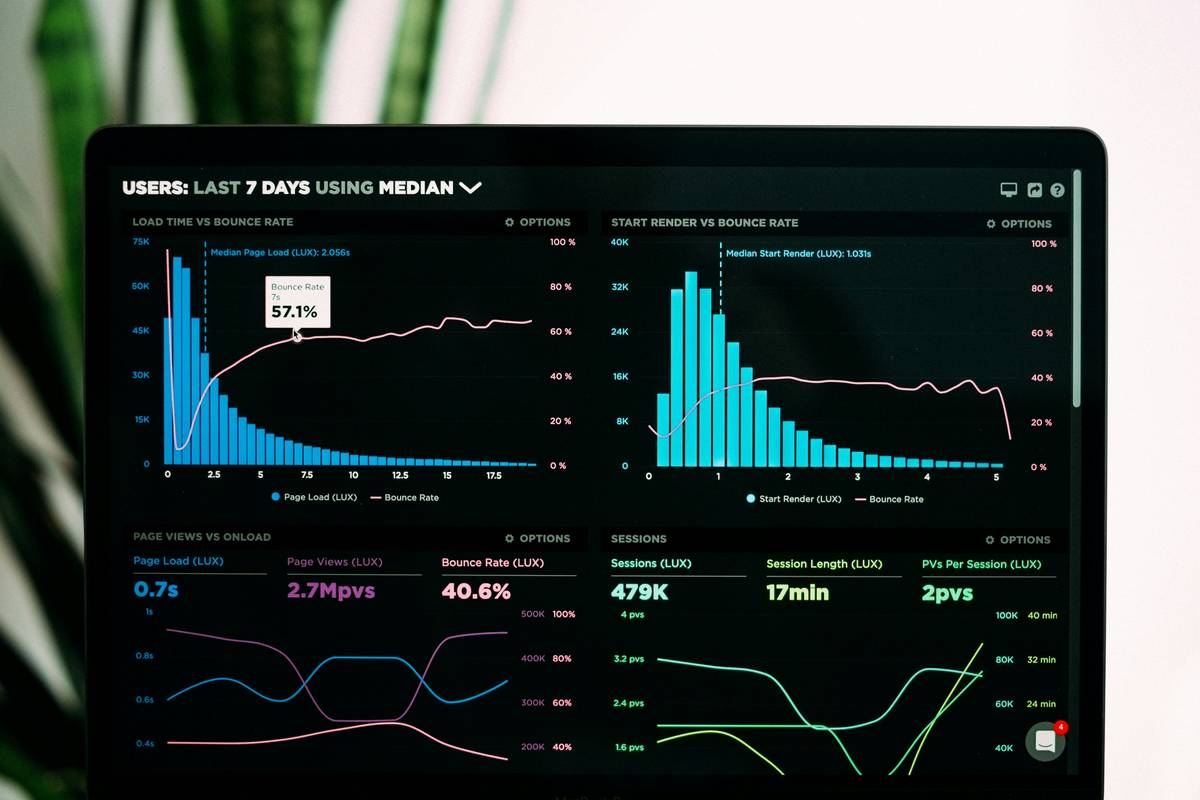
Top hedge funds don’t backtest to prove profitability—they backtest to find failure modes. Their goal? Break the strategy before real money touches it. One prop desk I advised runs 500+ parameter permutations just to map fragility zones. They celebrate when a model fails early. Saves millions later.
And here’s the kicker: they ignore “win rate.” Focus on loss magnitude and recovery speed. Because in live trading, survival beats prediction every time.
Frequently Asked Questions
What’s the biggest backtesting mistake new traders make?
Assuming perfect fills and ignoring regime shifts. Markets aren’t static—they’re adaptive ecosystems.
Can free tools like TradingView suffice for serious backtesting?
For screening ideas—yes. For deployment validation—no. Lack of tick data and fixed slippage models cripple realism.
How far back should historical data go for valid testing?
At least two full market cycles (bull + bear). But quality > quantity—if your data lacks adjustments, 5 years of clean data beats 20 years of garbage.

