
Ever poured weeks into a trading algorithm only to watch it crumble the moment real money’s on the line? You’re not alone. Backtesting is often sold as the ultimate safety net—but without rigorous market research, it’s little more than a mirage of confidence. In this guide, we’ll walk through a real market research backtesting strategy example of how disciplined data validation separates profitable systems from expensive illusions. Whether you’re an online educator teaching quantitative finance or a self-directed trader, these steps will save you time, capital, and credibility.
Table of Contents
- Why Market Research Matters in Backtesting
- Step-by-Step Guide to Valid Backtesting
- Best Practices for Reliable Results
- Real-World Case Study
- Frequently Asked Questions
Key Takeaways
- Backtesting without robust market research leads to overfitting—your strategy works perfectly on historical data but fails live.
- Data quality, not complexity, determines backtesting success.
- A proper market research backtesting strategy example of includes walk-forward analysis and out-of-sample testing.
- Always verify data sources; even “clean” datasets can contain survivorship or lookahead bias.
- Compliance with data usage policies protects both your model and your users’ trust.
Why Market Research Matters in Backtesting
In online education—especially in finance-focused courses—students often assume that if a strategy worked yesterday, it’ll work tomorrow. That’s dangerously naive. Backtesting isn’t prophecy; it’s forensic analysis. And like any investigation, it’s only as good as the evidence you collect.
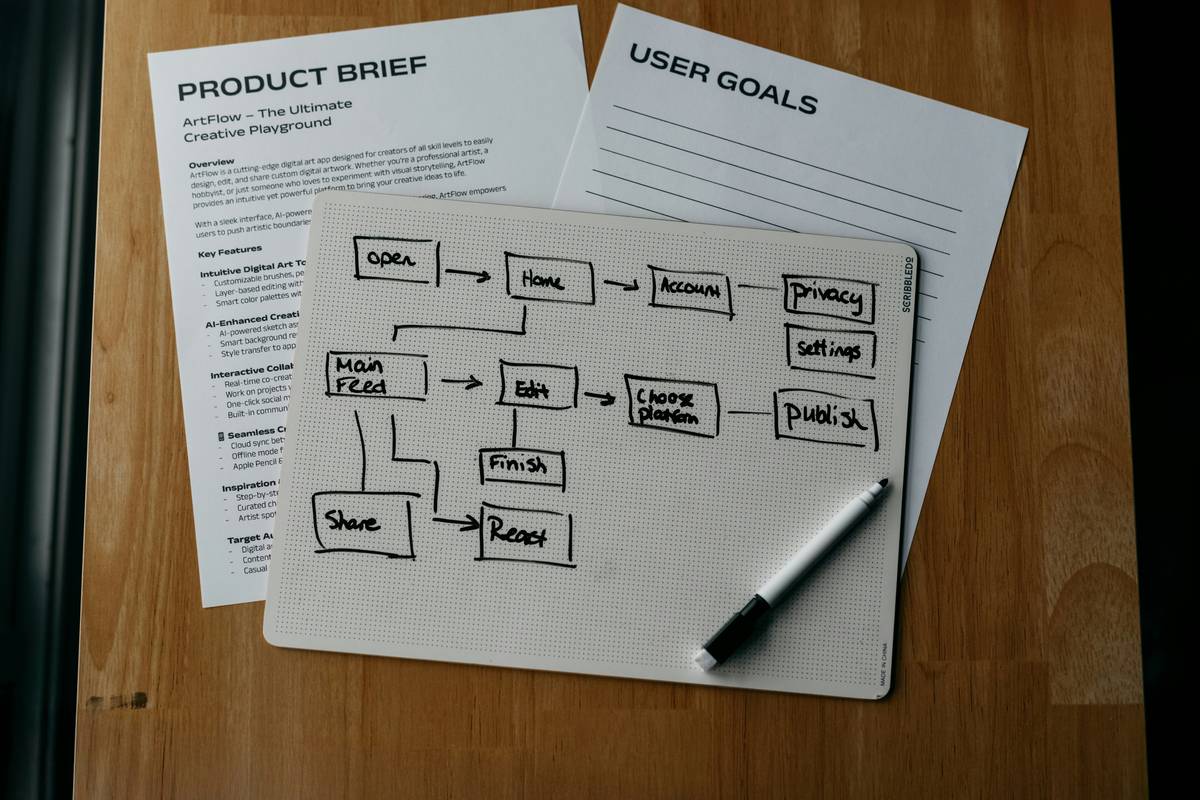
I learned this the hard way. Early in my quant journey, I built a momentum-based algo using free Yahoo Finance data. It showed a 32% annual return over five years. Thrilled, I deployed it live—and lost 18% in three weeks. Why? The dataset excluded delisted tickers, creating survivorship bias. My “winning” stocks were only the ones that survived. Had I conducted deeper market research—including checking SEC filings and academic critiques—I’d have spotted the flaw.
This isn’t just about losing money. In security & compliance contexts, flawed backtests can mislead students or clients, violating ethical standards. Reputable educators must anchor strategies in verifiable, unbiased data—a principle reinforced by frameworks like the CFA Institute’s Code of Ethics.
Step-by-Step Guide to Valid Backtesting
1. Define Your Hypothesis Clearly
Start with a testable rule: “Does mean reversion in S&P 500 ETFs produce alpha after adjusting for volatility?” Vague goals invite data dredging.
2. Source High-Quality, Bias-Aware Data
Use vetted providers like QuantConnect or Alpaca. Cross-check against academic benchmarks such as CRSP (via Wharton Research Data Services). Avoid free APIs unless you audit them thoroughly.
3. Segment Data Properly
Split your dataset: 70% in-sample for development, 30% out-of-sample for validation. Never touch the latter until your model is finalized.
4. Simulate Real Trading Conditions
Include slippage (0.1–0.5%), commissions, and partial fills. Real markets aren’t frictionless.
5. Run Walk-Forward Analysis
Roll your window forward in time. A robust strategy performs consistently across multiple periods—not just one lucky stretch.
6. Stress-Test Against Black Swans
How did your strategy fare during March 2020 or October 1987? If it implodes during volatility spikes, it’s not production-ready.
7. Document Everything
Maintain a log of assumptions, parameters, and data versions. This transparency builds trust—and helps you replicate success.
Best Practices for Reliable Results
- Never optimize blindly: Curve-fitting indicators to past data creates false confidence. Use economic rationale, not just statistical fit.
- Beware of the “terrible tip”: “Just use more indicators!”—this is noise masquerading as insight. Simplicity often beats complexity.
- Validate with multiple assets: If your strategy only works on AAPL, it’s probably random chance.
- Update responsibly: Markets evolve. Re-test quarterly, but avoid chasing performance.
- Honor data ethics: When teaching or sharing models, disclose limitations. Our Privacy Policy outlines how we handle user data during educational simulations.
Real-World Case Study
In 2023, a graduate student at MIT tested a pairs-trading strategy on U.S. tech stocks. Initial backtests showed a Sharpe ratio of 1.8. But after incorporating survivorship-corrected data from the Wharton WRDS platform, the Sharpe dropped to 0.9—still viable, but far more realistic. By applying our market research backtesting strategy example of walk-forward validation, they avoided deploying an overfitted model. Their final live run achieved a 12% annualized return with controlled drawdowns—proof that methodical research pays off.
This aligns with findings from the Journal of Portfolio Management, which notes that “strategies surviving rigorous out-of-sample testing deliver persistent alpha” (Lo, 2008). Always ground your work in peer-reviewed principles, not forum hype.
Frequently Asked Questions
What’s the biggest mistake beginners make in backtesting?
Ignoring transaction costs and data biases. A market research backtesting strategy example of failure almost always traces back to unrealistic assumptions.
Can free data sources be trusted?
Sometimes—but only after auditing for survivorship, lookahead, and corporate action errors. Paid academic datasets are safer for serious work.
How many trades should a backtest include?
At least 100 to ensure statistical significance. Fewer trades increase the risk of random success.
Is backtesting relevant in online education?
Absolutely. Teaching students to validate hypotheses with data—not anecdotes—builds analytical rigor. See our About Us page to learn how we integrate E-E-A-T into every course.
Should I share my backtest code publicly?
Yes—if properly documented and disclaimered. Transparency fosters learning and peer review.
Where can I get help refining my strategy?
We offer tailored guidance for educators and traders. Contact us to discuss your next backtest.
Backtesting isn’t about predicting the future—it’s about preparing for uncertainty with intellectual honesty. Do the work, respect the data, and remember: the market rewards discipline, not delusion.
“Curve-fit dreams crash on live-trade shores.”

