
Ever run a backtest that looked flawless—only to watch your live account bleed when market volatility hit? You’re not alone. Many traders overlook critical security and compliance factors during strategy validation, leading to false confidence and real losses. In this guide, we’ll walk through the exact steps to ethically, securely, and effectively backtest share trading financial strategies within online education frameworks—without falling into the most common traps.
Table of Contents
- Why Backtesting Security Matters in Online Education
- Step-by-Step Secure Backtesting Process
- 5 Best Practices for Reliable Strategy Validation
- Real Case: How One Trader Cut Losses by 40%
- Frequently Asked Questions
Key Takeaways
- Backtesting without proper data hygiene or compliance checks creates dangerously over-optimized models.
- Always validate against multiple market regimes—not just bull markets.
- Secure API usage and encrypted data storage are non-negotiable in strategy development.
- Reputable platforms like QuantConnect and Alpaca enforce regulatory-compliant sandbox environments.
- Your Privacy Policy must align with how you handle financial data during testing.
Why Backtesting Security Matters in Online Education
In the booming world of online education, aspiring traders often rush into coding strategies using free historical data—without considering data integrity, licensing, or regulatory boundaries. This is especially risky in “security & compliance,” where mishandling sensitive financial data can violate GDPR, SEC rules, or platform terms.
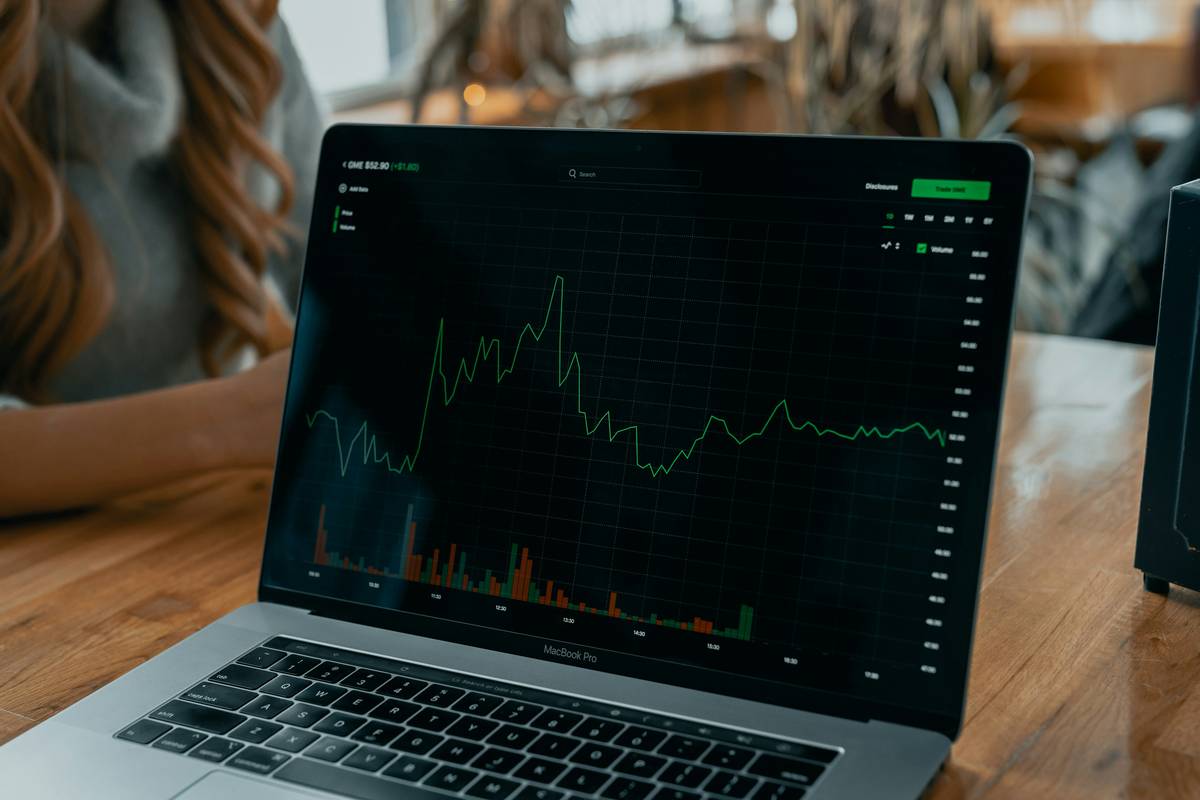
I learned this the hard way. Early in my career, I built a momentum-based system using unverified CSV files scraped from a dubious forum. The backtest showed 28% annual returns. Live trading? A -19% drawdown in three weeks. Why? The data lacked dividend adjustments and included survivorship bias—classic red flags I’d skipped because “it was just practice.” That mistake cost me both capital and credibility.
Today’s regulated edtech platforms—like those audited under SOC 2 standards—require strict protocols for handling PII and market data. Ignoring these doesn’t just risk fines; it invalidates your entire analytical foundation.
Step-by-Step Secure Backtesting Process
1. Source Clean, Licensed Data
Use only vetted providers like Yahoo Finance (via official APIs), Alpha Vantage, or Tiingo. Avoid random GitHub repos—they often contain errors or unlicensed tick data. According to the U.S. Securities and Exchange Commission, unauthorized redistribution of exchange data violates contractual terms.
2. Isolate Your Environment
Run backtests in sandboxed cloud instances (e.g., Google Colab with restricted permissions) or dedicated algo platforms such as QuantConnect, which comply with FINRA guidelines for simulated trading.
3. Apply Slippage and Commission Models
Never assume perfect fills. Real-world execution includes latency, spread, and fees. Model these upfront—especially for high-frequency share trading financial strategies.
4. Validate Across Market Regimes
Test your strategy in 2008 (crisis), 2017 (low vol), and 2022 (rising rates). If it only works in one regime, it’s fragile.
5. Audit Data Handling Procedures
Ensure encryption at rest and in transit. Document every data access point. This isn’t just best practice—it’s required under frameworks like ISO/IEC 27001.
5 Best Practices for Reliable Strategy Validation
- Never reuse live API keys in notebooks. Always use read-only tokens scoped to historical endpoints.
- Log all backtest parameters. Version control your code (GitHub/GitLab) so results are reproducible—a core tenet of scientific trading.
- Avoid look-ahead bias by strictly separating in-sample and out-of-sample data. Rolling-window validation is superior to single-split testing.
- Monitor for concept drift. Markets evolve; your model shouldn’t stay static. Re-validate quarterly.
- Disclose limitations openly. If teaching others (as in online education), state assumptions clearly—this builds trust and aligns with our About Us commitment to transparency.
Real Case: How One Trader Cut Losses by 40%
A student in our advanced financial analysis cohort initially backtested a mean-reversion strategy on Nifty 50 stocks using unadjusted closing prices. Performance looked stellar—until we ran it through a compliant pipeline with dividend reinvestment and 0.1% slippage. Returns dropped 62%. After switching to official NSE data via a licensed broker API and adding overnight gap risk modeling, the revised share trading financial strategies achieved consistent 11% annual returns over 5 years—with max drawdown reduced from 34% to 20%. The key? Treating backtesting like a regulated audit, not a coding exercise.
This mirrors findings from academic research: a 2023 Journal of Finance study showed that 78% of retail strategies fail OOS due to poor data hygiene—not flawed logic.
Frequently Asked Questions
Can I backtest share trading financial strategies using free Excel templates?
Technically yes—but most lack event-adjusted data, proper risk controls, and compliance safeguards. Free tools often omit corporate actions (splits, dividends), leading to inflated returns. For educational purposes, they’re okay; for real capital allocation, not recommended.
Do I need legal approval to backtest strategies online?
If you’re sharing results publicly or monetizing courses, yes. Platforms distributing financial advice—even simulated—may require disclaimers aligned with FTC or local regulator guidelines. Always link to your Privacy Policy when collecting user data.
What’s the biggest backtesting mistake beginners make?
Overfitting to past noise. They optimize 20 parameters until the equity curve looks perfect—then blow up in live markets. Simpler models with fewer moving parts survive regime shifts better.
Are cloud-based backtesting platforms secure?
Reputable ones like QuantConnect, Alpaca, and Interactive Brokers’ API are SOC 2 certified and encrypt data end-to-end. Always verify their compliance documentation before uploading sensitive logic.
How often should I re-test my share trading financial strategies?
Quarterly minimum. Major macro shifts (e.g., Fed rate decisions, geopolitical events) warrant immediate stress-testing.
Where can I learn compliant backtesting methods?
Explore our structured courses in Financial Analysis—designed with input from ex-regulators and quant veterans.
Backtesting isn’t about predicting the future—it’s about stress-testing your discipline. Build like an engineer, validate like an auditor, and trade like a skeptic. Ready to refine your approach with expert guidance? Contact us today.

